
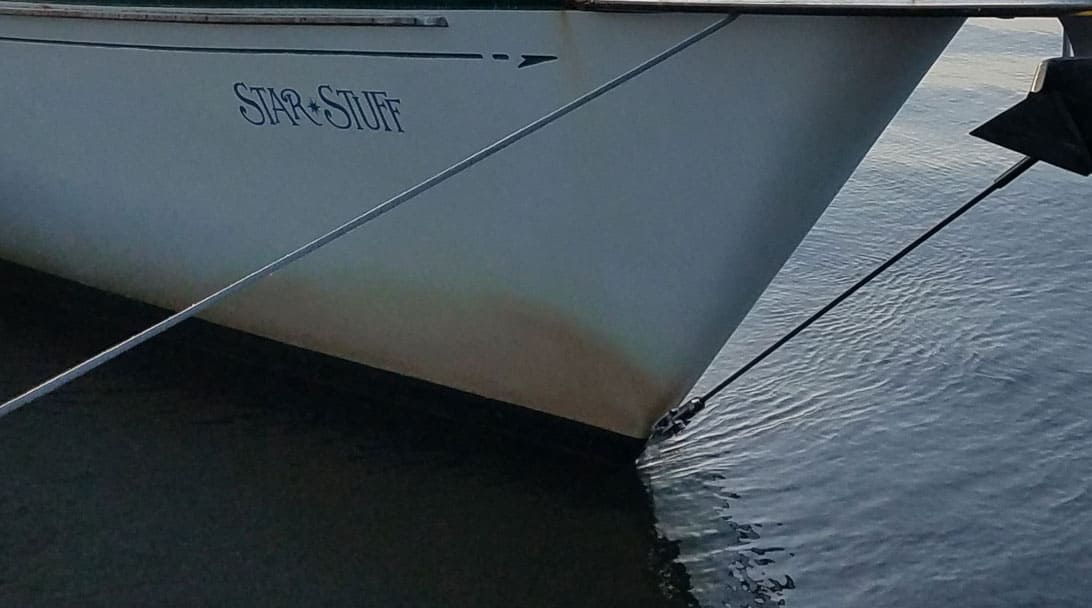
Any cruiser who has traveled the ICW knows about the infamous “ICW Mustache.” It’s certainly unsightly, and only gets harder to clean, the longer you travel. I like to share practical ideas to address common cruiser’s concerns. This guest post offers a few tips for cleaning and preventing the ICW Mustache from taking hold on your cruising boat.
If you’ve ever cruised the Intracoastal Waterway (ICW), odds are you’ve picked up an unexpected souvenir: the infamous ICW mustache. This dark, often stubborn ring along the waterline is a rite of passage for many boaters. But it doesn’t have to stick around forever. Whether you’re prepping for a long haul south or just back from a seasonal migration, keeping your hull clean is part aesthetics, part maintenance, and all pride.
What causes the ICW mustache? How real-world cruisers deal with it? And what steps can you take to remove it—and keep it from coming back?
What Is the ICW Mustache?
The “ICW mustache” refers to the unsightly brown or black stain that forms along a boat’s hull just above the waterline. It’s especially common for vessels that travel long distances along the Intracoastal Waterway, a 3,000-mile inland route stretching along the Atlantic and Gulf coasts. These waters are rich in tannins. What are tannins? They are organic compounds that leach from decaying vegetation. Georgia, the Carolinas and the Everglades offer an abundance of tannin-laced water. Tannins, combined with sediment, algae, and other marine grime, gradually bond to the gelcoat or paint, creating that telltale waterline stain. And while it may not affect performance, it can seriously dull the look of an otherwise well-kept vessel.
Stories from the Waterway: A Widespread Issue
If you’ve ever pulled into a peaceful anchorage only to glance down at your hull and wince, you’re in good company. Nearly every cruiser we spoke to has a story of battling the ICW mustache—especially after a long run of back-to-back travel days or extended stays in tannin-heavy waters. Marina staff along the East Coast are all too familiar with boats arriving with “ICW tattoos.”
One couple cruising north from Stuart, FL, mentioned they were shocked to find their bright white hull had taken on a tea-stained ring by the time they reached Savannah—despite never seeing it happen in real time. Others noted the embarrassment of showing up at a new marina with a hull that looked like it hadn’t been cleaned in months—even though they’d only been underway for a week. It’s the kind of subtle frustration that builds up cruise after cruise.
Removing the Mustache: A Proven Solution
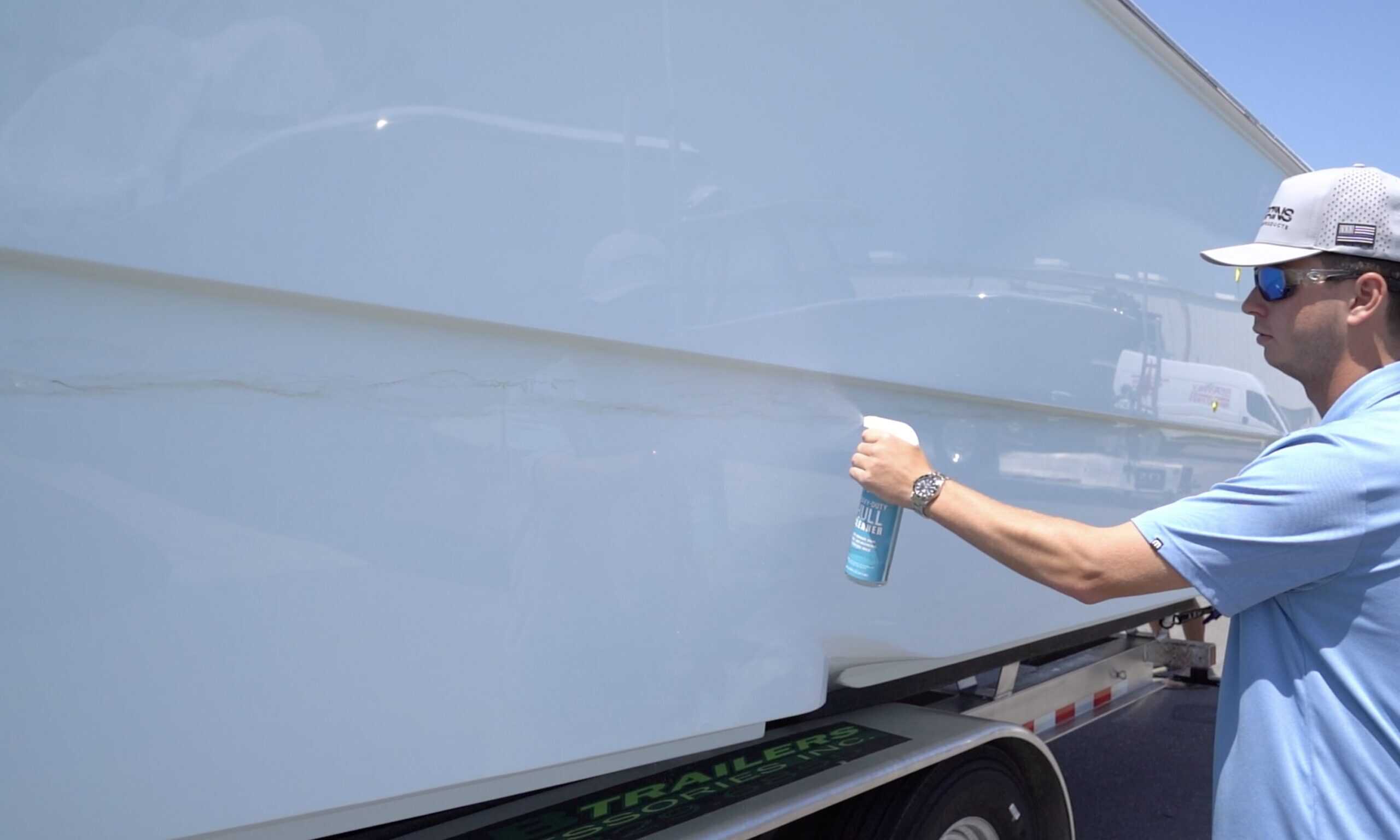
When it’s time to get serious about cleaning, one product that’s gained traction among seasoned boaters is Captain’s Fury Heavy-Duty Hull Cleaner by Captains Preferred Products (CPP). Formulated with a balance of safe acids and marine-grade surfactants, Captain’s Fury was developed by boaters, for boaters—specifically for hull stains caused by the ICW’s tannin-rich waters. What makes it stand out is its effectiveness without being harsh on your boat’s finish.
Many conventional cleaners rely on highly caustic formulas that can degrade surfaces over time or require extensive protective gear to use. Captain’s Fury’s formula is strong yet boat-safe, making it a trusted go-to for many liveaboards and long-haul cruisers.
Here’s how it works:
- Spray the cleaner directly onto the affected area (always test a small patch first).
- Let it sit for a few minutes—no need to scrub right away.
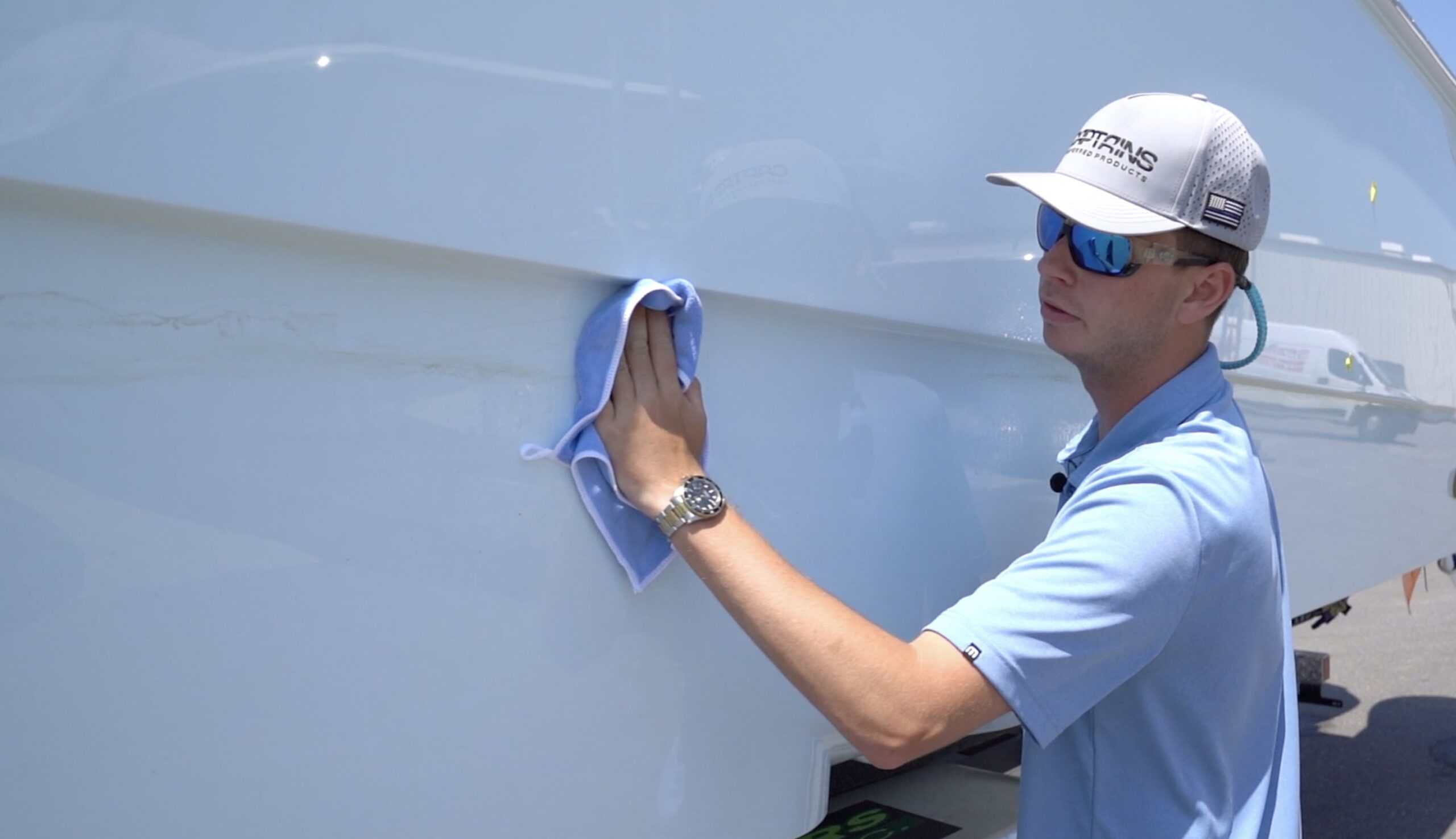
- Start light scrubbing – apply appropriate pressure, but don’t hurt yourself or the boat.
- Rinse thoroughly with freshwater and assess the stain.
- Repeat if necessary.
CPP experts advise that for very stubborn stains, a second application or a bit of soft brush scrubbing may be required to fully lift the discoloration. Several cruisers we spoke to said Captain’s Fury removed buildup in just one afternoon—no backbreaking elbow grease needed.
Tips for Preventing Future Staining
While the ICW mustache may be inevitable on a long passage, there are several steps you can take to reduce how quickly and deeply it sets in:
Rinse with Fresh Water When Possible
After anchoring or docking, especially in dark, tannin-rich areas, give your hull a quick rinse along the waterline. A handheld hose or even a bucket-and-sponge wipe-down can keep buildup at bay.
Apply Protective Coatings Before Departure
A high-quality marine wax or ceramic coating provides a slick barrier that makes it harder for stains to bond. Applying a layer before a long passage can buy you time and make future cleanups much easier.
Schedule Mid-Cruise Cleanings
On extended trips, plan for a day every couple of weeks to address waterline buildup before it becomes deeply embedded. Even just a soft scrub with a boat brush and soap can make a big difference.
Hull Pride Goes a Long Way
Cruising the ICW is a dream for many, but maintaining your vessel’s appearance along the way can be a challenge. The mustache might be a badge of passage, but it doesn’t have to be permanent. Whether you’re a seasonal cruiser, a full-time liveaboard, or somewhere in between, taking care of your hull isn’t just about looks—it’s about upkeep, pride, and preserving your investment.
So on your next haul-out, before you break out the power washer, try Captain’s Fury Heavy-Duty Hull Cleaner from Captains Preferred Products. It’s the cleaner trusted by boaters who know the value of products that work with you, not against you.
You Don’t Have to Figure It Out Alone
Every cruiser has worries, especially in the first year or two. Our newsletter brings honest, practical tips every Wednesday for the parts of cruising that feel hard.

Free from The Boat Galley
The Boat Galley Newsletter
Free, every Wednesday. Unsubscribe anytime.
Do you have other questions we could help you with?
The real picture
Budget, health, age, family
How to make it happen
Help for tough times
Keep reading
Some links in this article (including all Amazon links) are affiliate links, meaning that we earn from qualifying purchases.