
That little video truly shows what cruising on your own boat looks like. Real boats, real people, real places. Real boat life.
Not a cruise ship. Not a resort. Your own boat, your own pace, your own route.
People are out there doing this right now. And most of them will tell you the same thing: it’s nothing like they expected, and they wouldn’t trade it for anything.
It’s not for everyone, though. And we’ll be honest about that all the way through.
What Is Cruising, Exactly?
There’s no single definition, and that’s actually the point.
You get to make it what you want.
Some cruisers spend weekends exploring anchorages within 50 miles of home. Others sell everything and spend years in the Bahamas, the Pacific, or the Mediterranean. Some go for a year or two and come back. Some go and never really stop.
Sail or power. 32 feet or 50. Anchoring out every night or splitting time between marinas and anchorages. Moving fast or staying in one beautiful spot for weeks.
What they all have in common: living on the water, on their own boat, on their own terms.
One thing worth knowing: the more remote you want to go, the more self-sufficient you need to be. Cruising close to home with a good marina nearby is very different from crossing an ocean where the nearest mechanic is a week away. Most cruisers find that their skills grow with their ambitions — but it’s worth being honest with yourself about where you want to go and what that requires.
It’s a life, not a vacation. Like any life, it has wonderful days and hard ones.
What Does a Day Actually Look Like?
You’ve probably seen it on YouTube. The thing about YouTube cruising content is that it tends to be one of two things: paradise, or “we almost died.”
The reality is somewhere in between, and honestly, it’s better than either.
Here’s what a good day actually looks like, cruising in the Bahamas:
You wake up to the sound of water against the hull. You bring your coffee out to the cockpit while the anchorage comes to life around you.
Maybe you move the boat to a new spot in the morning. An hour’s sail to an anchorage you’ve been wanting to try.
You spend the afternoon snorkeling, doing a small boat project, reading, or paddling to shore. You make dinner from what you provisioned before leaving the last marina. At sunset, conch horns blow across the water as other cruisers mark the end of the day.
You sit in the cockpit until the stars come out.
That’s a good day. There are also days when you’re waiting out weather, troubleshooting something that broke, or making a passage that’s rougher than you’d like.
Both kinds of days are part of it. The hard days make the good ones sweeter.
Who Actually Does This?
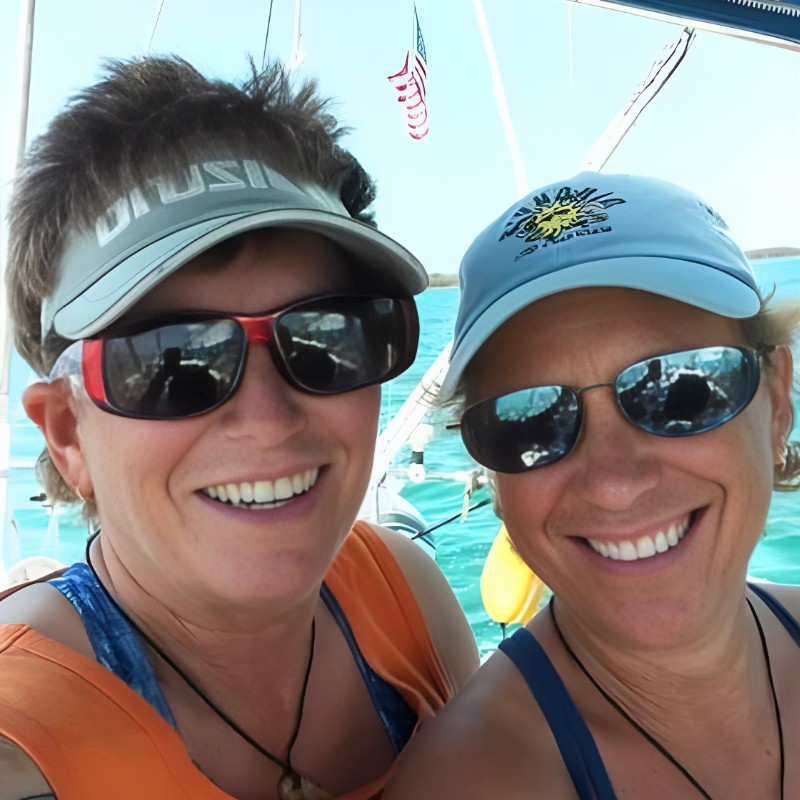
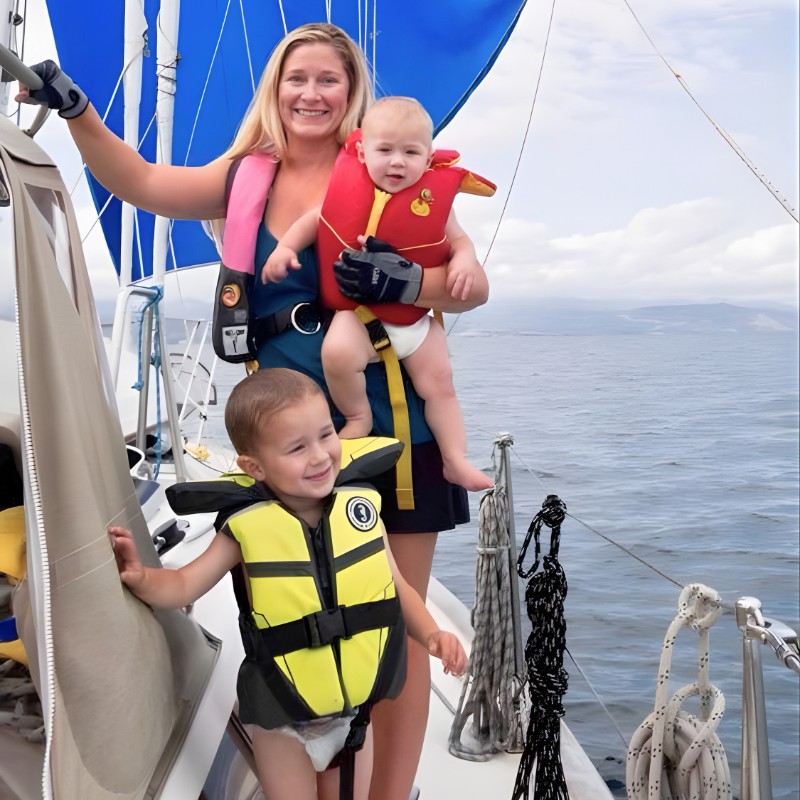
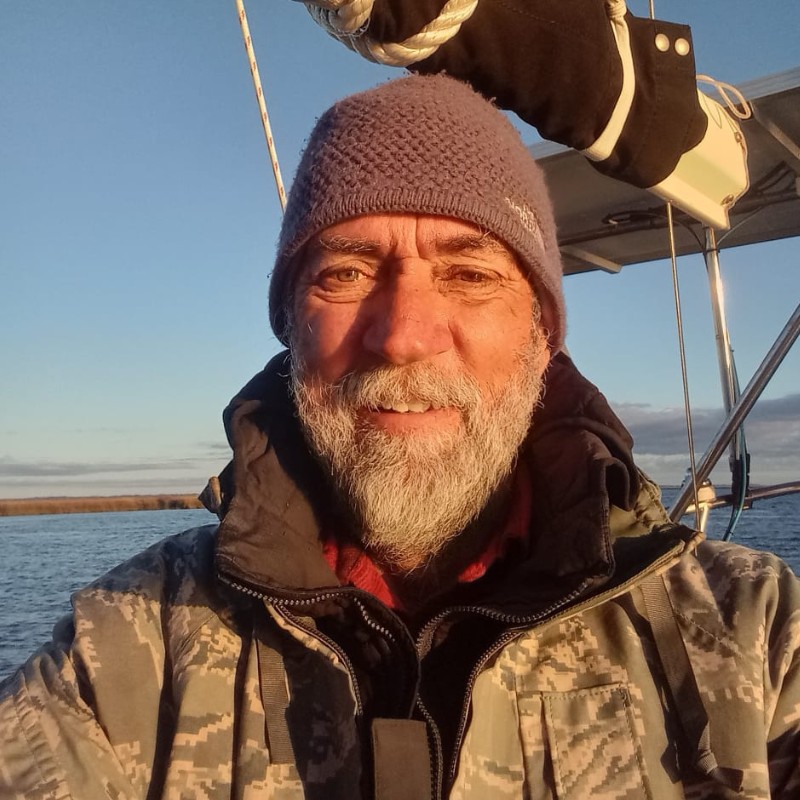
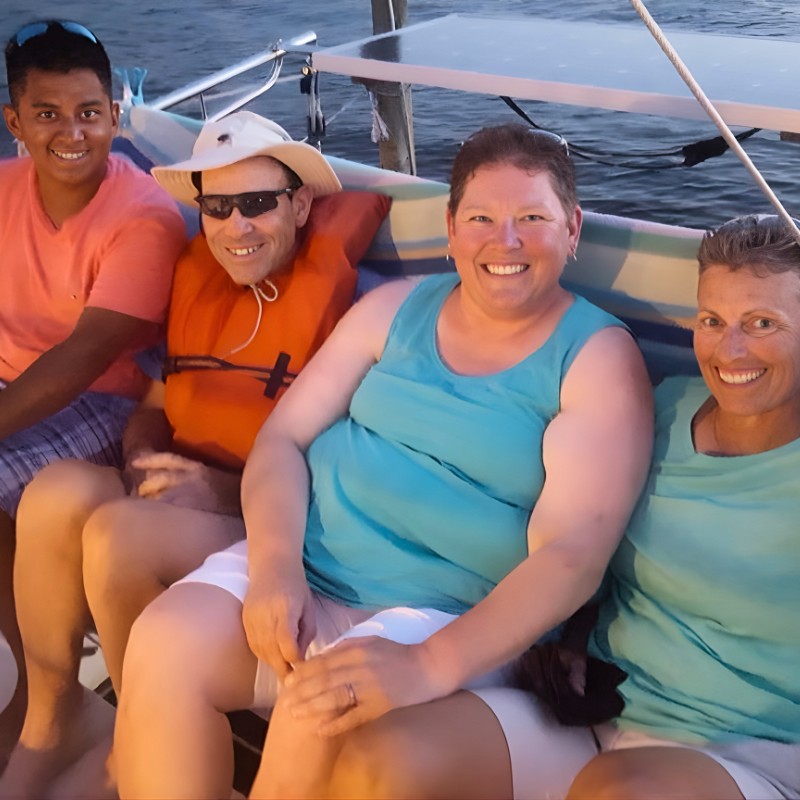
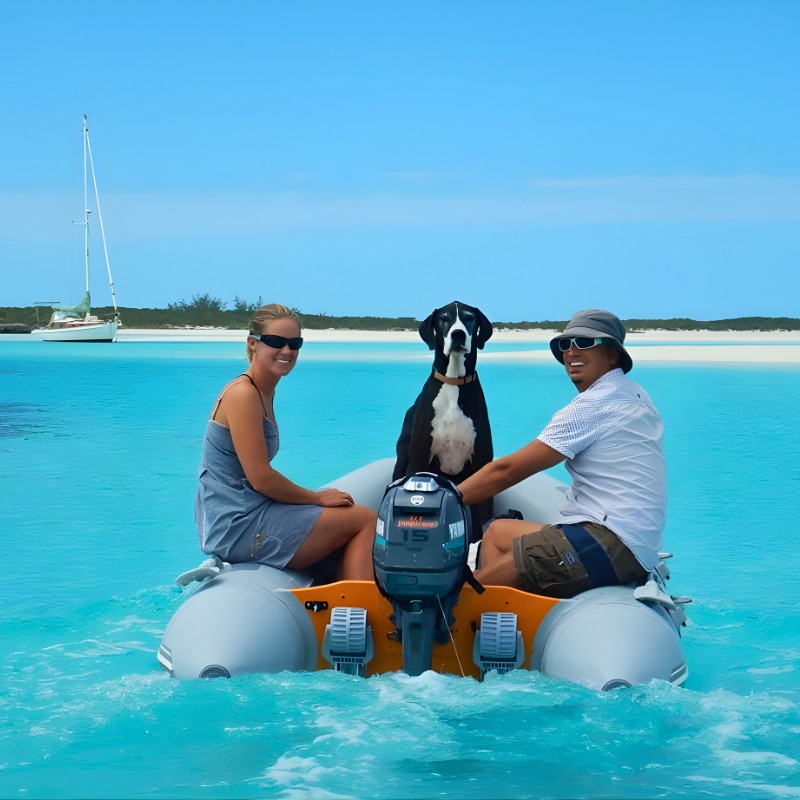
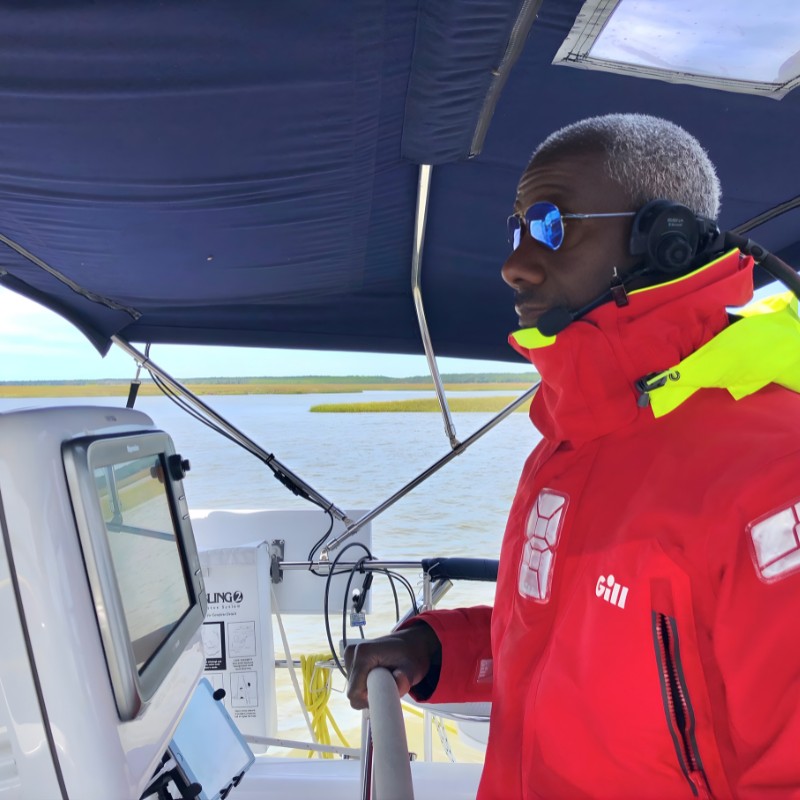
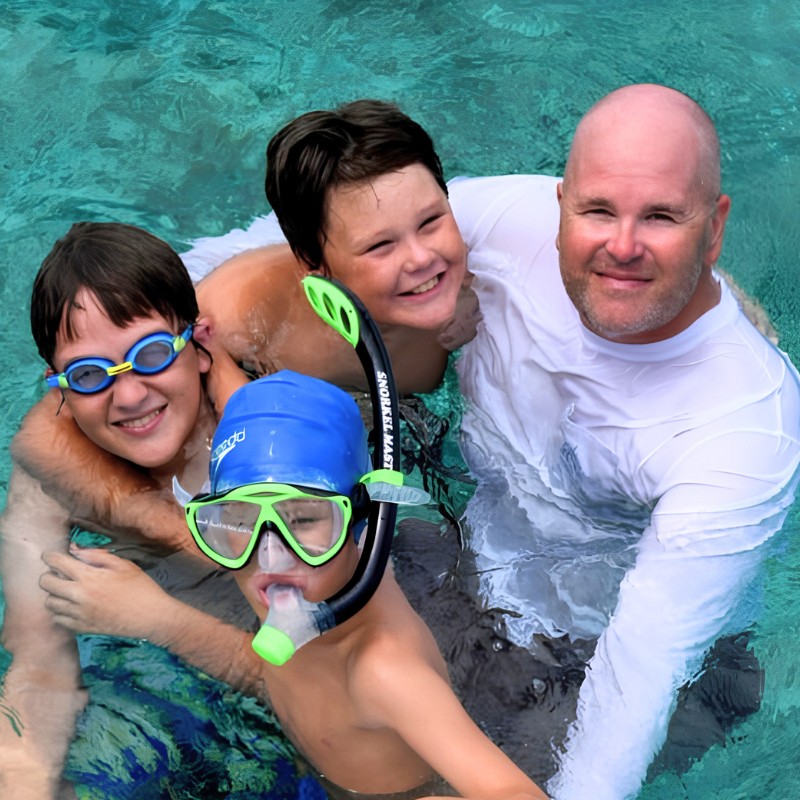
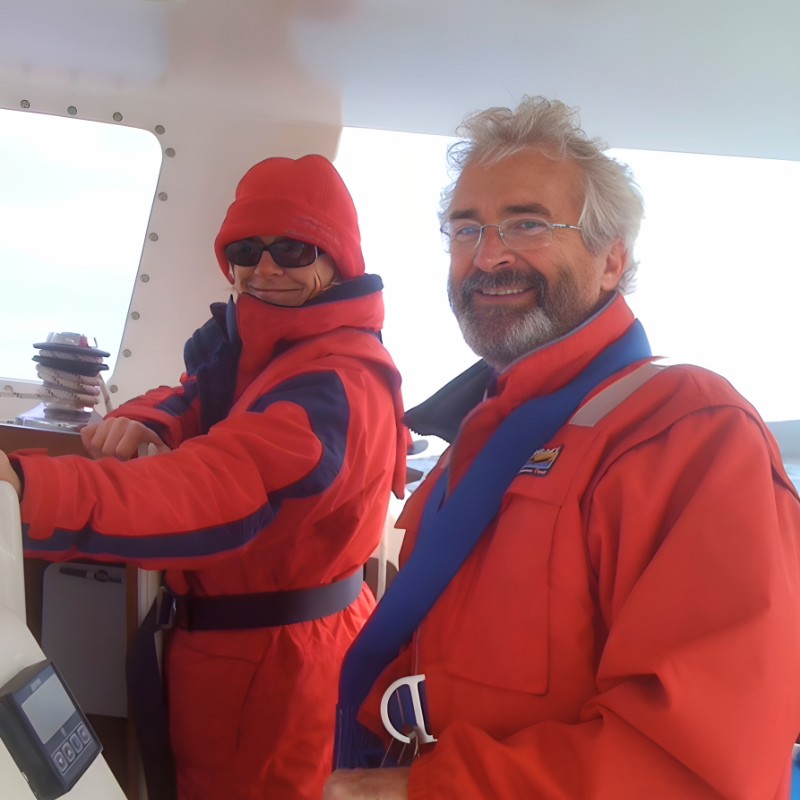
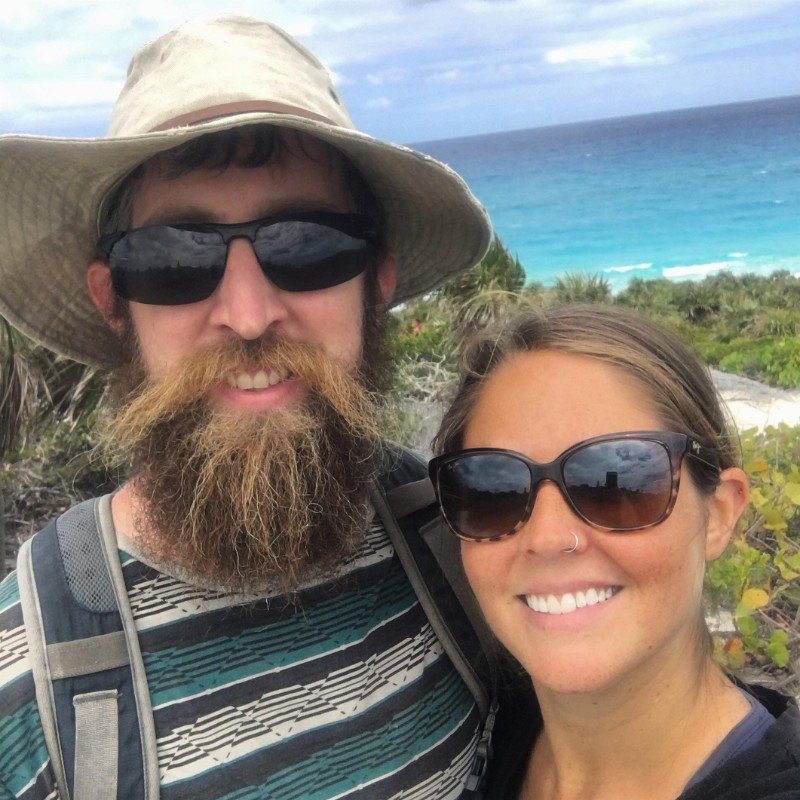
Nope, there’s no “type.”
There are retired couples who spent years talking about it and finally went. Families with young kids who decided the world was a better classroom than any building. Single-handers. Couples who walked away from careers in their 40s. People still going strong in their 70s.
Every background. Every age. Every kind of life before the boat.
Some are retired with pensions and investments. Some saved hard for a few years and went for a defined period. Some work as they go, remotely or offering services to other cruisers.
And if you’re wondering whether a health condition rules you out — probably not. In our years of cruising we’ve met sailors with heart conditions, cancer, and diabetes. Two amputees who cruised solo. A couple who were both legally blind. A family with two children in wheelchairs. CPAP machines run just fine on boat power. Most conditions can be accommodated if the desire is strong enough.
The one thing they share isn’t age or income or background: it’s a willingness to live differently.
The Community
One of the things that surprises new cruisers most is the community.
In anchorages and marinas up and down the coast and across the islands, there’s a culture of helpfulness unlike anything most people have experienced on land.
Someone struggling with an electrical problem will have three people in dinghies offering help within the hour. Someone asking on the morning VHF net about a good mechanic will get four recommendations before breakfast.
You’ll make friends faster than you ever did on land.
You’ll also say goodbye a lot. Boats move on, routes diverge. But the same people turn up again, sometimes thousands of miles away, sometimes in the slip right next to you.
Is This for You?
That’s the only question that matters, and nobody can answer it but you.
After 17 years of living aboard and meeting thousands of cruisers along the way, I can tell you the people who make it work come in every shape and size.
They’re not all experienced sailors when they start. They don’t all have large budgets. They’re not all fearless.
What they have is genuine curiosity, a willingness to learn, and enough stubbornness to work through the hard parts.
If you’re still reading, you probably have at least the first one.
If cruising sounds like it might be for you, the next question is whether it’s actually realistic for your life. Your budget, your health, your partner, your life, your skills.
Join Us and Learn More
The Boat Galley Newsletter is your free window onto the cruising life. Every Wednesday we send real stories, practical tips, and honest advice to 22,000 cruisers and people who are thinking about it. It’s been going out without fail since 2010. Sign up for free